Salt, Stone, and Sound Judgment: What Years on the Water Taught Me About Yacht Charter in Malta
I’ve spent over a decade working in Mediterranean yacht operations, and yacht charter Malta is one of those phrases that means very different things depending on who’s saying it. To a visitor, it often sounds like a postcard fantasy. To someone like me—who’s coordinated charters, captained vessels, and dealt with the quiet aftermath of bad decisions—it’s a practical choice that rewards preparation and punishes assumptions.
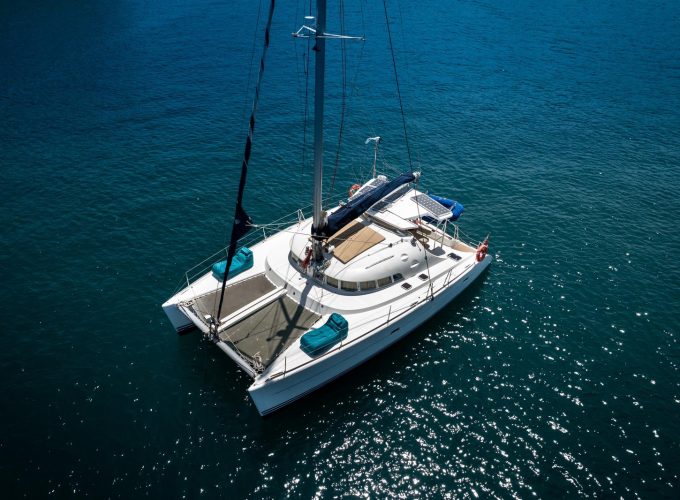 I first worked around Maltese waters as a seasonal skipper, back when I was still building hours toward my commercial certifications. Malta was never the loudest destination in the Med, but it was always the most honest. The sea here doesn’t perform for tourists; it behaves the way it wants to. That’s exactly why I still recommend it, with some caveats.
One spring, a couple chartered a mid-sized motor yacht expecting calm cruising every day. They’d booked in good faith but hadn’t asked where the yacht was actually based. We lost nearly half a day repositioning because the vessel had been sitting on the south side while the conditions favored the north. It wasn’t a disaster, but it was avoidable. Malta is compact, but wind direction matters more here than people expect. A good charter isn’t just about the yacht—it’s about reading the island properly.
From a professional standpoint, Malta offers a rare balance. The cruising distances are short, fuel costs stay reasonable, and you can anchor near history that hasn’t been staged for visitors. I’ve dropped anchor off Gozo on evenings when the water went flat just before sunset, and the only sound was cutlery from a nearby boat and the echo of church bells drifting across the cliffs. Those moments don’t need exaggeration.
That said, I’m often cautious about who I encourage toward a bareboat charter here. On paper, the requirements look straightforward. In reality, Maltese marinas expect competence, not confidence. I once watched a newly certified skipper struggle with a tight berth in a crosswind while insisting he had it under control. He didn’t. We ended up stepping in to avoid fiberglass repairs that would’ve wiped out his security deposit. Malta isn’t the place to learn docking under pressure.
Another common misunderstanding involves timing. People fixate on peak summer without considering how crowded anchorages can feel in a small cruising area. I’ve found late May and early autumn to be far more forgiving. The water is still warm, the harbors breathe a little, and restaurants haven’t switched into conveyor-belt mode. One family I worked with last autumn told me they enjoyed their charter more than expected simply because they weren’t rushing to beat other boats into every bay.
Provisioning is another detail that separates a smooth charter from a stressful one. Malta has excellent local produce, but marina-side convenience stores aren’t stocked for week-long cruising. I’ve learned to advise clients to plan at least one proper provisioning stop inland or arrange a delivery in advance. Years ago, I ignored my own advice and ended up improvising dinners with canned goods after a long day on the water. It’s funny in hindsight, less so when you’re hungry and tired.
From an operational angle, I tend to favor crewed charters for first-time visitors, even experienced sailors. A local skipper doesn’t just handle the boat; they manage expectations. They know which bays get rolly after noon, which anchorages are comfortable overnight, and which “quiet spots” stopped being quiet years ago. I’ve seen itineraries improve dramatically once clients stopped trying to check off locations and started listening to the rhythm of the place.
Malta also has quirks that don’t show up in glossy brochures. Ferry traffic can sneak up on you, especially around the Grand Harbour. The wake patterns aren’t dangerous, but they’re uncomfortable if you’re not paying attention. I’ve had to remind more than one charter guest that this is a working maritime zone, not an amusement park.
I’m sometimes asked whether Malta compares to larger charter grounds like the Balearics or the Dalmatian Coast. In scale, no. In character, absolutely. The appeal isn’t variety; it’s density. You move from open water to sheltered harbor, from ancient stone to modern marina, in a matter of minutes. That compression can feel intense if you’re unprepared, or deeply satisfying if you embrace it.
The mistakes I see most often aren’t dramatic. They’re small misjudgments—overpacking itineraries, underestimating wind, assuming all yachts are interchangeable. After years in this field, I’ve learned that the best charters come from restraint. Choose a yacht that suits the group, not the fantasy. Leave room in the schedule. Accept that some days are for moving, others for staying put.
I still take personal charters in Malta when I can, which probably says more than any recommendation I could give. There’s something grounding about these waters. They reward attention, patience, and a willingness to adapt. If you approach them with those qualities, Malta tends to give back quietly, without fuss, and without needing to be sold.